The Hoka Speedgoat has been around long enough to have earned a place among the best trail runners. And yet, Hoka’s iconic trail shoe, now in its seventh generation, spent the past few years on the sidelines as new shoes chipped away at the footwear category it helped define. The Speedgoat 6 was stiff and stale, like a championship athlete resting on its laurels. But the Speedgoat 7 is Hoka’s return to form, and after putting in miles on technical Oregon terrain with it, it’s clear to me that the GOAT has returned.
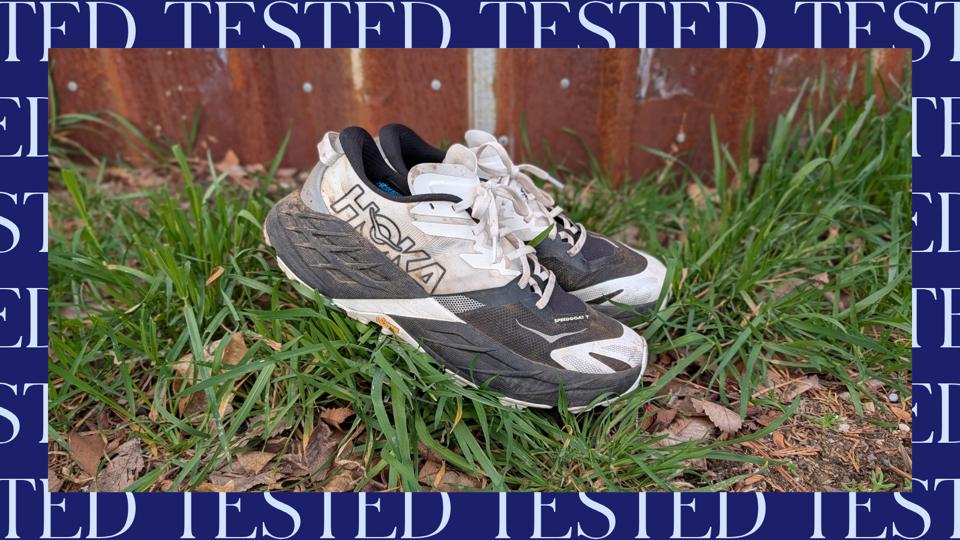
Above all else, the Speedgoat is good at making tough trails feel more manageable. A big stack, beefy lugs and secure fit are qualities the Speedgoat 7 maintains, but it’s the ride that finally feels dialed in thanks to a new midsole. It isn’t the fastest trail running shoe, nor is it the most cutting edge, but it’s the one you’ll reach for when you want something that just works. Here’s everything you need to know.

Hoka Speedgoat 7 Features
A Modern, Supercritical Midsole
The biggest upgrade to the Speedgoat 7 concerns the foam under your feet. Hoka swapped the stiff, dated cushioning with a new supercritical foam midsole that’s made via the same nitrogen-infused manufacturing process you’ll find in many modern running shoes. Essentially, it creates a lighter, more resilient structure than traditional EVA, and in practice, it means the 7 rides noticeably better than the 6, which felt firm and unforgiving, especially deep into long runs.
That said, the new midsole isn’t trying to serve as some big, plush pillow. Instead, it has a mild liveliness to it that the 6 never did, with a little give and return that makes the ride feel more natural (and less punishing). On an easy 9-miler on soft dirt, I forgot all about the shoes after the first 5K, which is the highest compliment I can give trail cushioning. The midsole won’t be the reason you tell others to pick up this shoe, but it was the biggest reason I couldn’t recommend the 6. Hoka went out with the old foam and in with the new, and you’ll notice it right away.
RPET Woven Upper
The Speedgoat 7 also receives a new upper made from RPET, which stands for recycled polyethylene terephthalate. Essentially, it means the material is sourced from recycled plastic bottles and spun into a woven fabric.
The upper isn’t where the 7 separates itself from the 6. It’s new, but the fit and feel are pretty similar. On a muddy run through forest roads turned to muck by melting snow, the upper kept moisture out and I ended the day without a single blister. Some runners have flagged the toe guard and surrounding material as a point of irritation, but I never ran into any issues. That said, the Speedgoat has always been a little narrow through the forefoot, so if you have wider feet or prefer a roomier toe box, size up or consider the wide width. Just keep in mind that sizing up can affect the fit elsewhere.
Reliable Traction (And Other Nice Features That Remain)
Beyond the midsole and the upper, the Speedgoat 7 keeps what works and tidies up a few other loose ends. For example, the Vibram MegaGrip outsole is as good as ever, and the 5mm lugs that have always defined this shoe have micro lugs of their own (dubbed Traction Lug Technology) that deliver just a bit more bite. They don’t look all that special, but Vibram claims they add stability and improve surface area by a whopping 50%.
From there, Hoka also added reflective details to the heel that improve visibility, and there’s an added back gaiter attachment. The front attachment seems to be absent though, which leads me to believe you’re supposed to clip the gaiter to your laces, which I’m not a fan of (just add a small loop like Altra does on the Lone Peak). The lay-flat tongue has also been lengthened after some Speedgoat 6 runners reported it slipping under the laces mid-run. I’ve never had any issues with lay-flat tongues, but I have seen them on more trail shoes this year.
Final Verdict
The Speedgoat 7 is the version runners have waited on for a couple of generations. It needed a better midsole, along with a few smaller improvements to make an outdated shoe feel current again, and Hoka delivered. After years of trading on its name, the Speedgoat is finally back to earning it.
This is still a do-it-all trail shoe. If you’re into highly technical ascents and scrambles, or want a max-cushioned setup for lots of vert, there are more specialized options out there that will serve you well. But if you’re looking for one shoe that handles most of what the trail throws at you, and does so comfortably over long distances, the Speedgoat 7 is worth adding to your rotation. The fact that Hoka went back to the drawing board on the midsole and got it right says something about the brand. They listened, and it shows.
Why Trust Forbes Vetted
The Forbes Vetted team tests and reviews many types and brands of fitness shoes each year. To ensure our recommendations reflect real-world use, we put these shoes to the test in a variety of environments, from muddy forest roads to snow-packed hillsides to flowy cross-country trails that belong on a postcard.
- Author of this guide and Forbes Vetted gear editor, Cam Vigliotta, has over six years of experience testing outdoor and fitness products. As a dedicated runner who prefers dirt over pavement, he’s run everything from 5Ks to 50Ks in many bestselling trail shoes. When he’s not testing the Speedgoat 7, he’s logging miles in a few of his other favorite Hokas, including the Clifton 10, Mach 7, Cielo X1 3.0 and Rocket X 3.
- Our real-world testing helps us put together a Speedgoat review that’s transparent and insightful. Ultimately, our goal is to recommend shoes that aren’t just comfortable but also responsive, durable and built to meet different needs.
- Deputy editor Rose Gordon Sala edited this story. She oversees several Forbes Vetted sections, including gear. She’s also a runner and has tested more than three dozen kids shoes, writing our guide to the best kids shoes.