Jane Sung, Forbes Staff
Forbes Vetted
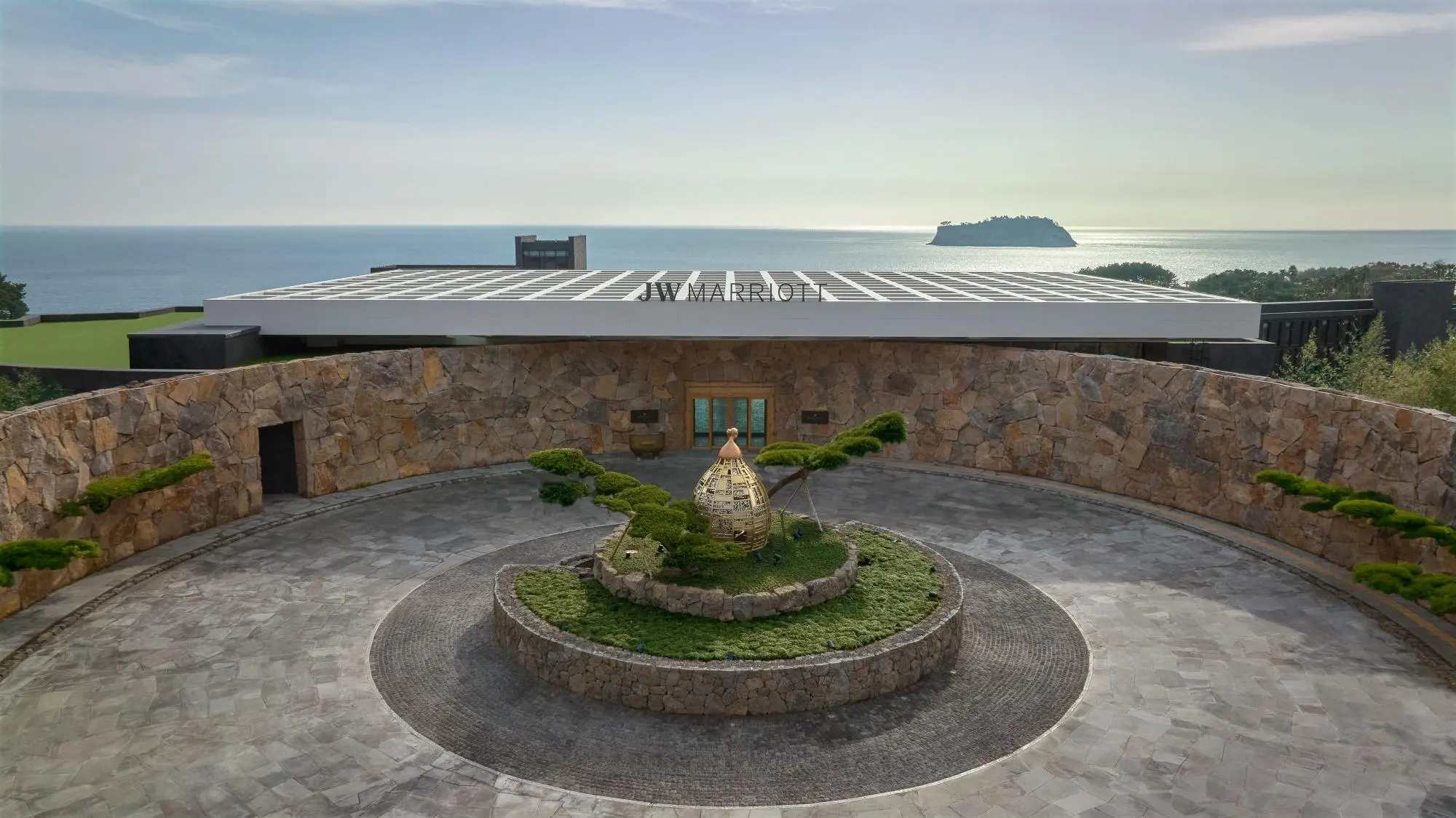
South Korea’s Jeju Island is known for its volcanic cliffs, tangerine groves and misty coastal trails. On the southern coast in Seogwipo, the JW Marriott Jeju Resort lives up to its setting—a modern retreat inspired by the island’s dramatic natural beauty. Opened in 2023, the hotel overlooks sweeping sea views and features design and architecture that reflects Jeju’s basalt rock, wind-sculpted terrain and traditional hanok elements.
I recently visited the property, and found it to be ideally located whether you’re visiting the island for the first time or returning to experience its gorgeous natural landscape. From the glass-walled lobby overlooking the ocean to the serene atmosphere carried through the restaurants and lounge spaces, everything feels perfectly aligned with the spirit of the island. If you’re planning a trip to the “Hawaii of Korea,” here’s what to know.
JW Marriott Jeju
Who Will Love It: Couples; nature lovers; foodies; families seeking a luxurious resort with plenty of amenities
All-Star Amenities: Several indoor and outdoor pools; four restaurants and lounge; spa featuring sea-inspired body therapies
What Not To Miss: Hiking the Jeju Olle Trail route 7; Daily synchronized swimming performances; Jeju Brunch Royale; afternoon tea set
Location: Seogwipo-si, Jeju Island
All-Star Amenities
With interiors designed by Bill Bensley in warm, golden tones and clean lines, the public spaces and rooms give a sense of understated luxury. I found the expansive terraces, walking paths and well-placed seating areas especially inviting for slowing down and taking in the stunning scenery. And for a closer look at the island’s dramatic landscapes, you can step right onto the famed Jeju Olle Trail Route 7 that winds past coastal cliffs and wildflowers. My family also enjoyed cooling off in the multiple spacious pools—both indoor and outdoor
I also appreciated the tastefully designed, vibrant kids club that actually feels like a place the whole family could feel comfortable hanging out in. The space is bright and modern, with age-appropriate activities that range from creative workshops like mini cooking classes to interactive play. Adding an unexpected layer of entertainment, the resort also hosts synchronized swimming performances at the main outdoor pool—for a fun break in between dips.
Rooms
The property’s 197 guestrooms and suites are elegant, with a clean, modern design and a coastal palette rooted in the island’s landscape. We stayed in a Premium Suite, a spacious layout with floor-to-ceiling windows and a balcony with wide ocean views. Natural materials and plenty of seating gave the suite a relaxing, residential feel. Between the plush bedding, an expansive bathroom, and a lounge area and balcony, our room made for an especially comfortable space for moments of downtime in between activities and exploring the island.
Food And Beverage
There are three restaurants and a lounge, plus a poolside cafe—spotlighting local ingredients with traditional Korean touches as well as global elements. Island Kitchen is the resort’s lively all‑day dining spot, where for breakfast you can choose from sets like classic Jeju abalone porridge (one of my favorites), Chinese-style congee or Western dishes. It’s also where you’d go for the signature Jeju Brunch Royale (a highlight meal for everyone in my family), featuring a lavish buffet with seasonal dishes, local specialties, fresh produce served every which way, and free‑flowing champagne and caviar. At The Flying Hog, wood‑fire grilling takes center stage, with Jeju black pork and slow‑roasted beef at the heart of a menu that feels simple, yet refined. Yeoumul is the hotel’s Jeju‑style fine dining restaurant built around a tasting menu of seasonal seafood and other regional ingredients. The Lounge is a great spot for relaxed afternoons and evenings—think specialty coffees, teas sourced from the neighboring Osulloc tea farm and delicious bingsu in flavors like honeycomb.
What To Do In The Area
The hotel’s southern coastal location makes it great for exploring the island’s natural beauty and culture. You can take drive up to the northwest or northeast coasts for pristine white-sand beaches, hike the trails of Hallasan National Park or visit lava tubes amidst botanical gardens. If you can, it’s definitely worth going to observe the haenyeo—Jeju’s legendary female divers with the centuries‑old tradition of free diving for shellfish and seafood—at work along the coastline. As with Seoul, cafe culture is huge, and also local markets and seaside eateries offer a taste of the island’s culinary specialties, from fresh abalone and Korean-style sashimi to Jeju black pork and citrus-centric desserts. Getting around the island typically involves taxis or renting a car; if you want to drive yourself it’s worth noting that international visitors need a valid international driving permit (which you can get in advance of your visit).
How To Get There
The JW Marriott Jeju Resort & Spa is on the southern coast of Jeju Island, about 40 km (roughly a 50–60 minute drive) from Jeju International Airport. Most visitors reach the resort by taxi or rental car.