Advantages and Disadvantages
1. Disk Encryption
ADVANTAGES
√ Comprehensive Protection: Disk encryption secures the entire drive, including system files, applications, and temporary data, ensuring no piece of information is left unprotected.
√ Ease of Use: Once enabled, disk encryption operates seamlessly in the background without requiring manual intervention. Solutions like what is filevault disk encryption offer user-friendly interfaces for implementation.
√ Compliance: Disk encryption helps organizations meet stringent information security regulations, making it a preferred choice for industries like healthcare and finance.
√ Resilience Against Physical Theft: Even if a device is lost or stolen, encrypted drives prevent unauthorized access to sensitive data.
DISADVANTAGES
× Performance Impact: While modern disk encryption software minimizes performance degradation, encrypting an entire drive can still slightly slow down system operations.
× Vulnerability During Use: If an attacker gains access while the system is active, disk encryption may not provide sufficient protection.
× Complex Recovery: Losing the encryption key can render the entire drive’s data inaccessible, leading to potential data loss.
2. File Encryption
ADVANTAGES
√ Granular Security: File encryption allows users to selectively secure specific files, making it an excellent choice for sharing or storing sensitive information.
√ Lightweight Performance: Unlike disk encryption, file encryption focuses only on selected files, reducing the processing load on the system.
√ Flexibility: Professionals in digital forensics often use file encryption to secure evidence while maintaining system functionality.
DISADVANTAGES
× Limited Scope: File encryption doesn’t secure the entire system, leaving unselected files and folders potentially vulnerable.
× User Dependency: Manual selection of files for encryption can be time-consuming and prone to human error.
× Compatibility Issues: Encrypted files may face compatibility issues when transferred across different platforms or devices.
By knowing these pros and cons, people and businesses can decide for themselves whether disk encryption or file encryption is best for their security needs. Both of these ways are very important for keeping information safe in today’s digital world.
When to Use Each Method
1. Factors to Consider: Type of Data, Usage Scenarios, and User Expertise
The kind of data, its intended use, and the user’s level of technical proficiency all influence the decision between disk encryption and file encryption. Disk encryption software is the best option for comprehensive security of sensitive data, such as private bank records or critical company information. Because of its automatic setup, it offers complete security by protecting all data on a device, which makes it very useful for consumers with little technical expertise.
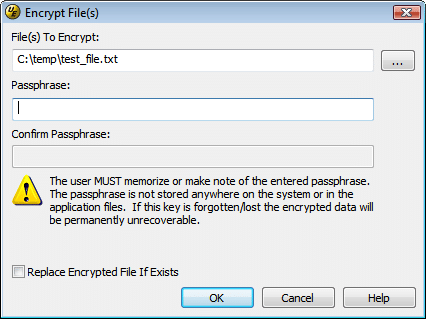
On the other hand, file encryption is better suited for scenarios requiring selective protection. Professionals handling specific files, such as case data in digital forensics, often rely on file encryption to secure their work while maintaining flexibility. However, it requires more technical expertise, as files must be manually selected and encrypted, leaving room for user errors.
2. Recommendations for Individuals
For individuals seeking ease of use, disk encryption is the go-to solution. It secures personal data such as financial information, passwords, and personal documents. Tools like what is filevault disk encryption are designed with user-friendly interfaces, making them accessible for non-technical users.
3. Recommendations for Businesses
Businesses handling large volumes of sensitive data should implement disk encryption to ensure end-to-end security. This approach complies with information security regulations and minimizes risks from device theft. However, for collaborative environments, file encryption is recommended to protect specific shared files while maintaining operational efficiency.

4. Recommendations for Government Use
Government agencies often manage classified information and require robust security measures. A combination of both disk encryption and file encryption is often employed to create a layered defense. Full-disk solutions protect devices, while selective encryption ensures the safety of highly sensitive documents during sharing or storage.
By evaluating these factors and use cases, individuals and organizations can leverage the strengths of both methods to enhance data security comprehensively.